
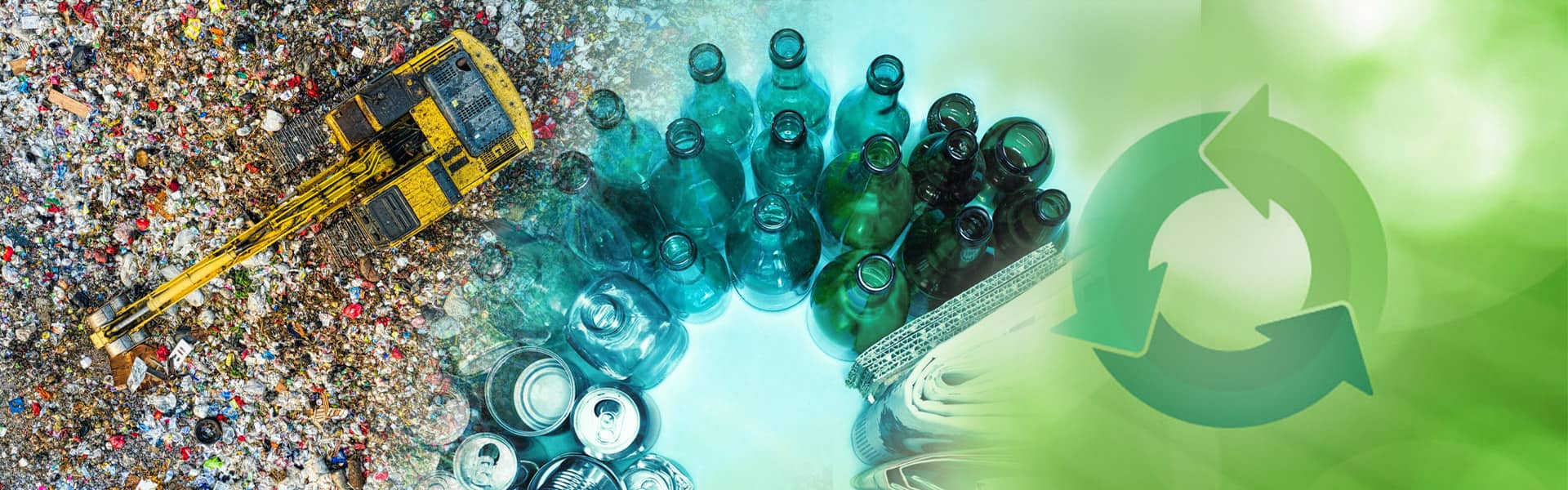
Équipement de traitement des déchets et de recyclage
S. Howes propose une large gamme d'équipements de traitement des déchets et de recyclage conçus pour traiter les déchets solides municipaux et industriels. Nos équipements peuvent broyer et traiter les gâteaux de filtration et les boues sèches. Les étapes de recyclage telles que le réhumidification, l'ajout de réactifs et la réduction de taille font partie de nos compétences. Nos ingénieurs commerciaux travaillent avec vous et votre équipe pour comprendre vos besoins en matière de traitement et vous guider dans le processus de validation du choix des équipements.
Équipement

Processing Challenges in Waste and Recycling Operations
Municipal solid waste processors, industrial waste handlers, and recycling operations work with some of the most variable and demanding feedstocks in any processing environment. Filter cakes, dry sludge, rubber, plastics, and mixed industrial waste streams are inherently inconsistent, and the equipment handling them must accommodate that variability without sacrificing throughput or reliability.
S. Howes has designed and built process equipment for waste and recycling operations for over 100 years. Our equipment handles size reduction, mixing, conveying, and screening across municipal, industrial, and specialty waste-processing applications, including rewetting, reagent addition, filter cake processing, and dry sludge handling.

Pain Points We Solve
- Filter cake and dry sludge that clogs, bridges, or resists handling with standard equipment
- Inconsistent feedstock sizing causing downstream processing problems
- Material buildup, fouling, and excessive wear from abrasive or sticky waste streams
- Unreliable conveying of variable-density or fibrous waste materials
- Poor separation of recyclable fractions from mixed waste streams
- Size reduction equipment that cannot handle tough, irregular, or contaminated materials
- Inadequate mixing for rewetting, reagent addition, or waste conditioning applications
- Equipment downtime driven by the unpredictable nature of incoming waste feedstocks
Optimize Your Waste and Recycling Processing Line
We help municipal waste processors, industrial waste handlers, and recycling operations achieve consistent processing performance across a wide range of incoming material types and conditions.
S. Howes engineers work directly with plant engineers and operations teams to design systems tailored to:
- Feedstock characteristics including municipal solids, industrial waste, filter cake, dry sludge, rubber, plastics, and specialty waste streams
- Batch or continuous throughput requirements
- Size reduction and particle sizing targets
- Mixing requirements for rewetting, reagent addition, and waste conditioning
- Facility layout and integration with existing waste handling infrastructure
- Wear resistance and maintenance access requirements for abrasive or contaminated materials
Engineered for Waste and Recycling Material Processing
Size Reduction Systems
Break down, size, and condition waste materials before downstream processing or disposal.
Lump breakers, knife cutters, granulators, and power graters reduce filter cake, dry sludge, rubber, plastics, and other waste materials into consistent, manageable sizes for conveying, mixing, or further processing.
Used for filter cake size reduction, rubber and plastic grinding, municipal solid waste sizing, and industrial waste conditioning applications.
Industrial Mixing Equipment
For rewetting, reagent addition, blending, and conditioning of waste and recycled materials.
Ribbon mixers, paddle mixers, and pug mills provide thorough blending of waste streams with water, reagents, binders, or conditioning agents in both batch and continuous configurations.
Used for sludge rewetting, reagent addition in waste treatment, rubber compound mixing, and specialty waste conditioning applications.
Bulk Material Conveying Systems
Reliably transfer waste feedstocks, sized materials, and processed byproducts through the facility.
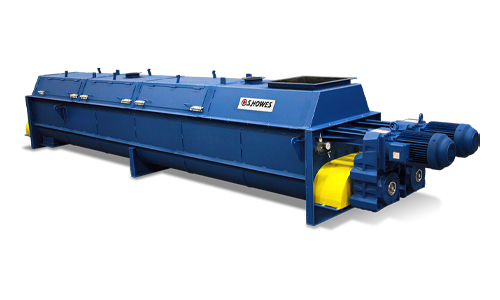
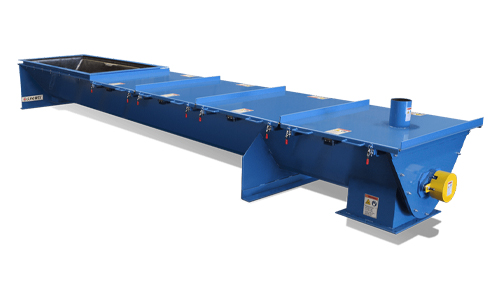
Screw conveyors, tubular conveyors, U-trough conveyors, and feeders are engineered to handle abrasive, wet, and variable-density waste materials while maintaining consistent feed rates and minimizing material loss.
Applications include filter cake conveying, dry sludge transfer, handling sized waste material, and transferring recycled material throughout processing operations.
Screening and Separating Equipment
For particle classification, contaminant removal, and fraction separation in recycling and waste processing.
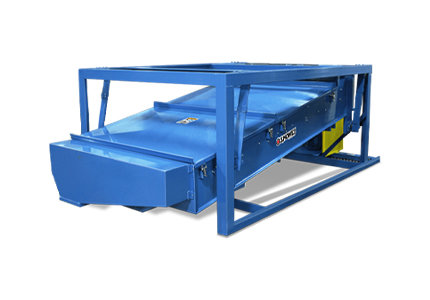
Sifters, shakers, and screening systems separate recyclable fractions, remove oversized material, and classify sized waste streams by particle size for downstream processing or disposal.
Used for rubber and plastic particle classification, recycled-material screening, waste-fraction separation, and quality-control steps within recycling processing lines.
Why Choose S. Howes
What Waste and Recycling Processors Need
- Heavy-duty, wear-resistant construction designed for abrasive and contaminated waste feedstocks
- Size reduction equipment capable of handling tough, irregular, and variable waste materials
- Mixing systems engineered for rewetting, reagent addition, and waste conditioning applications
- Reliable conveying for wet, dry, and variable-density waste streams
- Screening systems that perform consistently with irregular, mixed-fraction materials
- Equipment built for continuous industrial operation in demanding waste processing environments
Applications
- Municipal solid waste size reduction and processing
- Industrial waste and filter cake handling
- Dry sludge conveying, sizing, and conditioning
- Recycled rubber mixing and compound preparation
- Plastic waste sizing and classification
- Rewetting and reagent addition for waste treatment
- Recycled material screening and fraction separation
Capabilities
- Size reduction for filter cake, rubber, plastics, and industrial waste
- Mixing and conditioning systems for rewetting and reagent addition
- Conveying and transfer systems for abrasive and variable waste streams
- Screening and classification for recycled material separation
- Custom agitator and internal designs for sticky or fibrous waste materials
- Systems engineered for variable and contaminated feedstocks
Scalable Systems From Pilot Test to Full Production
Waste and recycling processors rely on S. Howes to support every stage of equipment development, from pilot testing to full-scale production systems.
We provide lab- and pilot-scale equipment that allows processors to evaluate size-reduction performance, mixing efficiency, and material-handling characteristics before committing to production equipment.
Our testing services allow companies to bring their materials to S. Howes to confirm processing performance before investing in production equipment. This approach reduces risk and ensures that equipment is properly engineered for real-world operating conditions and for the specific waste streams handled at each facility.
Applications Across Waste and Recycling Processing
S. Howes supports a wide range of material processing applications within the waste and recycling industry, including:
- Filter cake size reduction and conveying
- Dry sludge conditioning and transfer
- Municipal solid waste sizing and classification
- Recycled rubber mixing and compound preparation
- Plastic waste size reduction and screening
- Rewetting and reagent blending for waste treatment
- Industrial waste fraction separation and classification
- Specialty waste conditioning and processing
System Integration Capabilities
S. Howes equipment integrates into complete waste and recycling processing environments, including:
- Waste receiving and bulk storage systems
- Size reduction and conditioning equipment
- Conveying and transfer lines for processed waste streams
- Mixing and blending systems for rewetting and reagent addition
- Screening and classification equipment
- Downstream compaction, baling, or disposal operations
Ressources recommandées
Étude de cas : Système de mélange et d'alimentation du caoutchouc
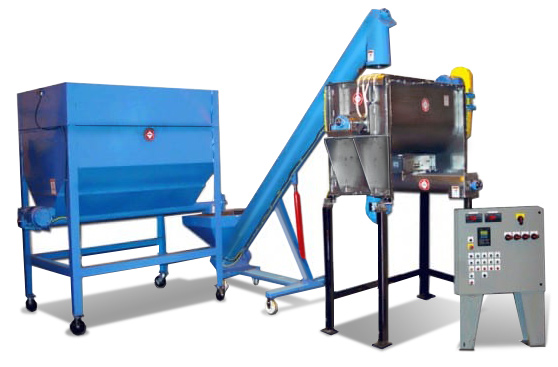
Case Study: A recycled rubber processor contacted S. Howes to see if it could build a system to automate and improve the quality of its ground rubber.
Cribles, tamis et équipements de séparation
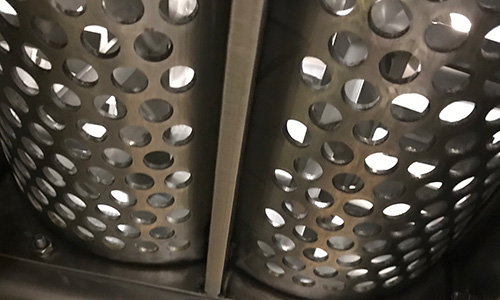
S. Howes fabrique des équipements de criblage robustes pour le traitement des poudres et des matériaux solides en vrac. Cela comprend des tamis centrifuges, des cribles, des secoueurs, des finisseurs à air, des nettoyeurs de grains, ainsi que des options et des accessoires.
S. Howes Équipement industriel de réduction de taille
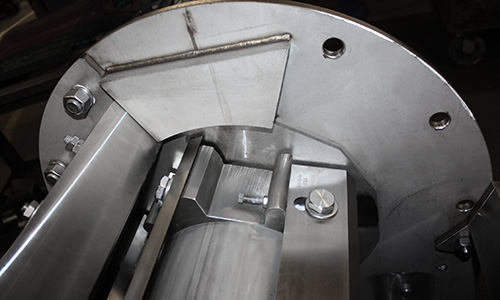
S. Howes propose plusieurs types d'équipements de traitement pour le calibrage des matériaux, notamment des broyeurs, des concasseurs, des coupeurs à lames et des râpes électriques.
Équipement de traitement des déchets et de recyclage
S. Howes offers a wide variety of waste and recycling equipment designed to process municipal and
industrial waste solids. Our equipment can break-up and process filter cakes and dry sludge. Recycling
steps such as rewetting, reagent addition, and size reduction are all within our capabilities.
Frequently Asked Questions
What types of waste materials does S. Howes equipment handle?
Our equipment is designed for a wide range of waste and recycling feedstocks, including filter cake, dry sludge, municipal solid waste, industrial waste, recycled rubber, plastics, and specialty waste streams requiring size reduction, mixing, conveying, or screening.
Can S. Howes equipment handle filter cake and dry sludge?
Yes. Our size reduction and conveying equipment is specifically suited to the challenges posed by filter cake and dry sludge, including bridging, clumping, and abrasive wear these materials can cause on processing equipment.
What mixing capabilities does S. Howes offer for waste processing applications?
We design and build mixing systems to rewet dry waste streams, add reagents or binders, and condition waste materials for downstream processing or disposal. Both batch and continuous mixer configurations are available.
How does S. Howes equipment hold up to abrasive waste materials?
Our equipment is built with heavy-duty construction and wear-resistant materials suited for the abrasive and contaminated conditions common in waste processing. Options include hardened wear surfaces, abrasion-resistant alloys, and robust internal designs that minimize maintenance requirements.
Do you offer custom-engineered systems for specific waste or recycling applications?
Yes. Every system is engineered based on the material characteristics, throughput requirements, process configuration, and facility constraints of each operation.
Vous ne savez pas ce dont vous avez besoin ?
We’re here to help you! Tell us what you need to be done, and we’ll contact you to recommend the right equipment.