
Last updated on December 17th, 2025 at 05:22 pm
Blog-Highlights
- Modern recycling plants use multiple specialized machines to sort, reduce, and clean waste before reuse.
- Customized equipment like size reducers, screw conveyors, and separators helps remove impurities, improve throughput, and cut costs.
- Precise separation and filtration reduce regulatory risk and improve product quality.
- Choosing the right machine at each stage increases operational safety and lowers maintenance.
- A strategic approach to equipment integration drives long-term savings and sustainability.
What Is Advanced Waste Processing Equipment?
Advanced waste processing equipment refers to machines built to handle large volumes of recyclable material. They perform tasks such as:
- Breaking down large waste items (size reduction).
- Moving material between process stages (conveying).
- Separating materials by size, density or type.
- Filtering out dust, pollutants, and unwanted particles.
These tools work together to make recycling operations more efficient and effective.
Key Stages in a Modern Recycling Operation
Here’s how equipment typically fits into a recycling process:
- Size Reduction: Shredders, grinders, and crushers break materials (plastics, metals, glass) into smaller, uniform sizes. This helps with further sorting and processing.
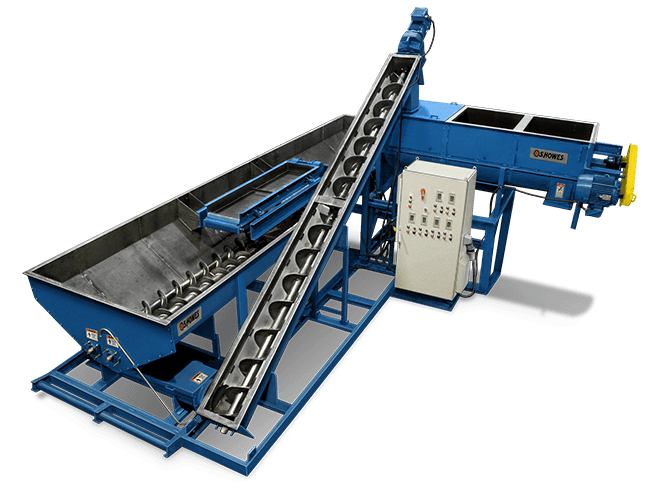
- Conveying: Devices like screw conveyors transport materials from one stage to another. They’re built for durability and low maintenance.
- Mixing / Blending: For some types of waste (organic, concrete, asphalt), blending ensures consistency in moisture, texture, or composition. This stage improves downstream handling and product quality.
- Separation & Screening: Screeners, separators, magnets, and air classifiers remove unwanted materials and sort useful from less useful components. This cleans up the material flow and enables better recycling outputs.
- Filtration: Dust, airborne particles, or contaminants (especially in e-waste or wet cleaning) are filtered using bag filters, cartridge filters, or HEPA systems, to keep operations clean and compliant with environmental standards.
Why These Machines Matter for Your Operation
When you employ advanced waste processing machinery effectively, you unlock several benefits:
- Better product quality: Cleaner, more uniform materials are more valuable and more readily reusable.
- Lower operational costs: Reduced waste and fewer manual interventions mean cheaper, smoother operations.
- Regulatory compliance & safety: Filtration and separation reduce pollution; safer machinery means fewer accidents.
- Increased throughput: Efficient conveyors and size reduction let you handle more material in less time.
How to Select the Right Equipment for Your Recycling Line
To get full value from your investment, consider these steps:
- Assess your waste stream: What types of material do you process (plastics, metals, organic, mixed)? What impurities do you have?
- Define your output goals: Do you want clean plastics for resale? Compost? Metal-ready feedstock?
- Map process flow: Identify where bottlenecks occur—e.g. does size reduction lag separation, or is conveying slowing down screening?
- Choose machines accordingly:
- If large objects are clogging things, prioritize size reduction.
- If separation is inefficient, invest in better screening or air classification.
- For dust or airborne issues, filtration is non-negotiable.
- Plan for maintenance & flexibility: Select equipment with accessible designs, easy to clean components, and the possibility to scale up or adapt later.
FAQ: Common Questions About Waste Processing Machinery
Q: How much can we reduce operating costs with advanced machines?
A: That depends on your current setup. Many recycling operations report 15-35% savings in energy, labor, or waste disposal costs by upgrading inefficient equipment.
Q: Will new machinery help reduce regulatory risks and environmental penalties?
A: Yes. Separators and filters help capture dust or pollutants. Proper machines reduce air and water contamination and help you stay compliant.
Q: Can advanced equipment improve quality of recycled output?
A: Absolutely. Better sorting and impurity removal lead to higher purity in output materials, which increases resale value or usability in new products.
Q: Do I need to replace my entire line to get benefits?
A: Not necessarily. You can often upgrade individual stages (e.g. screening or filtration) or integrate new conveying or size-reduction equipment into parts of your existing system.
Partner with Experts in Waste Processing Machinery
At S. Howes, we have over 160 years of experience designing custom waste and industrial processing equipment. We build machinery that handles precise separation, size reduction, conveying, and filtration—tailored to your facility’s waste stream and operational goals.
If you’re ready to cut costs, increase throughput, and improve the quality of your recycled materials, request a consultation with our team today. We’ll help you map the optimal equipment solution for your recycling operations.