
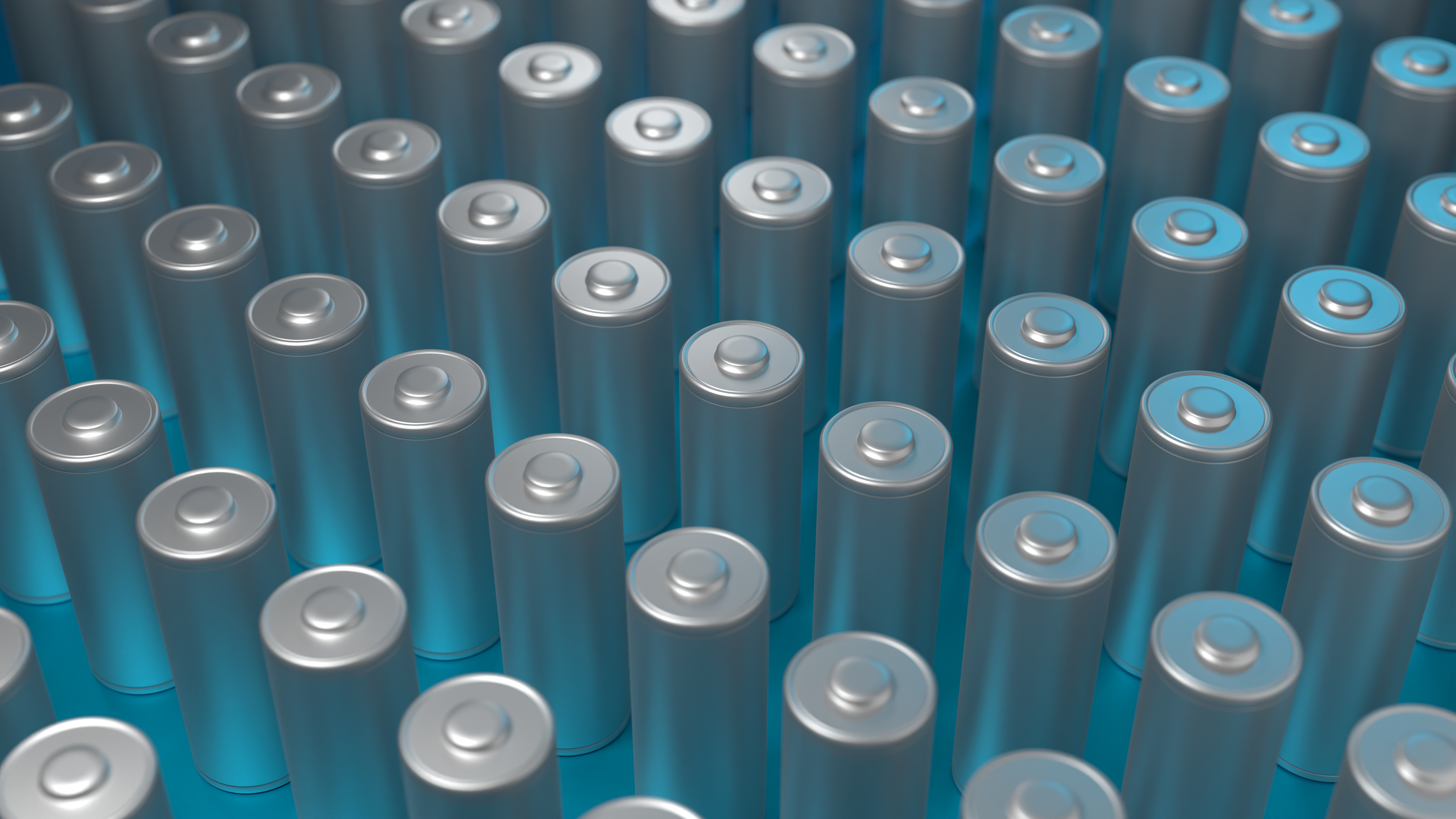
Lithium-Ion Battery Material Processing
The rapid growth of electric vehicles, energy storage systems, and advanced electronics has created unprecedented demand for lithium-ion battery materials and recycling infrastructure. S. Howes designs and manufactures robust, high-performance material handling and processing equipment engineered for the unique challenges of cathode and anode powders, black mass recovery, precursor blending, and thermal processing.
From virgin material production to battery recycling operations, our systems are built to safely handle abrasive, fine, and reactive powders while maintaining process consistency, containment, and operational reliability.
Battery Material Processing Equipment
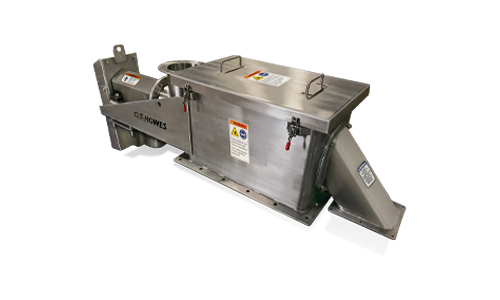
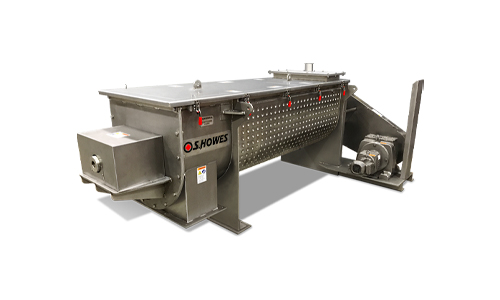
Operational Challenges : Lithium-Ion Battery Material Processing
Battery material producers and recyclers operate in high-precision, high-risk environments where particle size distribution, purity, and containment directly impact product performance and safety.
S. Howes designs equipment to stabilize your process, control dust and contamination, and maintain consistent throughput, addressing the real-world challenges that impact yield, quality, and compliance across modern battery manufacturing and recycling facilities.
Pain Points We Solve
- Inconsistent precursor or cathode powder blending
- Black mass flow instability and material bridging
- Dust containment and worker safety concerns
- Cross-contamination between material chemistries
- Handling abrasive and reactive fine powders
- Particle size variation affecting battery performance
- Thermal sensitivity and material degradation
- Difficult scale-up from pilot to commercial production
- Material segregation during conveying and transfer
- Explosion and fire risk in combustible dust environments

Optimize Your Battery Material Processing Line
We help lithium-ion battery manufacturers and recyclers achieve safe, consistent, and scalable material processing while meeting strict environmental, safety, and quality standards. S. Howes engineers work directly with R&D, process engineering, and plant operations teams to design systems tailored to:
- Cathode, anode, precursor, and black mass material properties
- Fine, abrasive, hygroscopic, and heat-sensitive powders
- Inerting, dust-tight, and explosion-protected environments
- Batch and continuous production requirements
- Closed-loop recycling and material recovery processes
- Thermal conditioning and moisture control needs
- Facility layout and containment strategies
- Scale-up from pilot or lab validation to full production
Engineered for Lithium-Ion Battery Material Processing
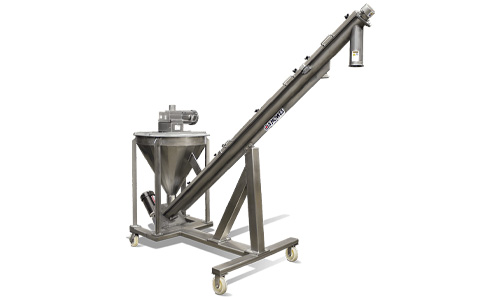
Controlled Conveying Systems
For cathode powders, anode materials, black mass, and chemical precursors.
Screw conveyors, tubular conveyors, U-trough conveyors, feeders, and specialty handling systems are engineered for abrasion resistance, dust-tight containment, and precision material transfer.
Applications include lithium carbonate, lithium hydroxide, nickel-manganese-cobalt (NMC) powders, graphite, silicon blends, and recovered black mass.
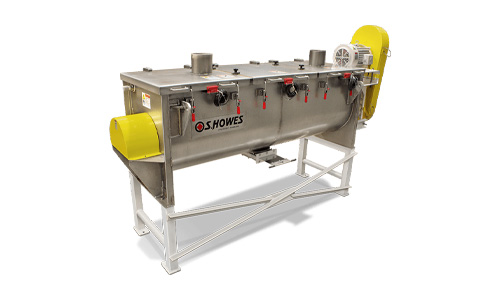
Precision Mixing & Blending Equipment
For chemistry consistency and battery performance.
Horizontal and vertical mixers are designed for homogeneous blending of cathode precursors, active materials, and conductive additives while minimizing segregation and over-shearing.
Used for cathode formulations, anode blends, and recycled material reconstitution.
Screening & Separating Equipment
For purity, particle size control, and yield optimization.
Sifters, shakers, and screeners remove overs, agglomerates, and contaminants to maintain strict particle size distribution requirements critical to battery efficiency and lifespan.
Used in precursor production, powder refinement, and black mass recovery.
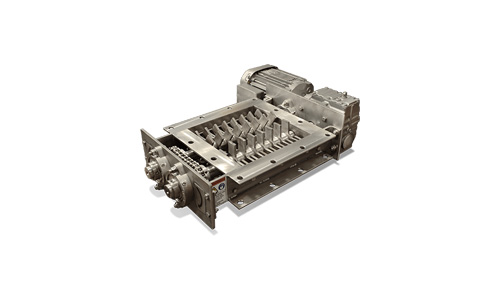
Size Reduction Systems
For controlled particle sizing and deagglomeration.
Lump breakers, granulators, and particle size conditioning systems ensure uniform feedstock and prevent downstream processing disruptions.
Thermal Processing & Conditioning
For moisture removal, phase stabilization, and precursor activation.
Thermal systems support drying, conditioning, and controlled heat treatment of powders while protecting sensitive chemistries.
Why Choose S. Howes
What Battery Material Manufacturers & Recyclers Need:
- Heavy-duty, abrasion-resistant construction
- Dust-tight and containment-focused designs
- Explosion-mitigation and ATEX-compliant options
- Uniform blending and consistent particle sizing
- Inerting-ready and controlled-atmosphere configurations
- Scalable systems from pilot to commercial production
- Custom engineering for evolving chemistries
- Reliable performance in high-throughput environments

Applications
- Cathode active materials (NMC, LFP, NCA)
- Anode materials (graphite, silicon blends)
- Precursor powder handling
- Black mass recycling
- Lithium salt processing
- Conductive additives
- Fine chemical blending
- Abrasive mineral powders
Capabilities
- Material receiving, storage, and transfer
- Batching and dosing systems
- Mixers, feeders, and blenders
- Screening and particle classification
- Thermal conditioning systems
- Dust collection and containment
- Explosion protection integration
- Closed-loop recycling systems
Scalable Systems From Pilot Test to Full Production
Battery material innovation moves quickly, and scale-up must be precise.
S. Howes supports every stage of development, from lab validation and pilot-scale blending to high-volume commercial production systems. Our pilot and test capabilities allow customers to confirm mix quality, particle distribution, containment performance, and thermal behavior before investing in full-scale systems.
This reduces risk, shortens commissioning timelines, and ensures your material performs as expected in real-world production environments.
Applications Across Battery Manufacturing & Recycling
S. Howes supports a wide range of lithium-ion battery processing applications, including:
- Cathode precursor blending
- Active material mixing
- Black mass recovery and processing
- Particle size conditioning
- Moisture control and drying
- Thermal stabilization processes
- Material segregation prevention
- Dust control and environmental containment
- Powder transfer between reactors, dryers, and packaging systems
System Integration Capabilities
S. Howes equipment integrates seamlessly into complete battery material production and recycling environments, including:
- Raw material receiving and storage systems
- Enclosed conveying and feeder-based transfer lines
- Screening, sifting, and size-reduction equipment
- Mixing and blending systems
- Thermal conditioning units
- Dust collection and containment systems
- Packaging, bagging, and super sack filling systems
- Safety monitoring and explosion protection integration
Featured Resources
Cooling Screw Conveyor System for Batteries
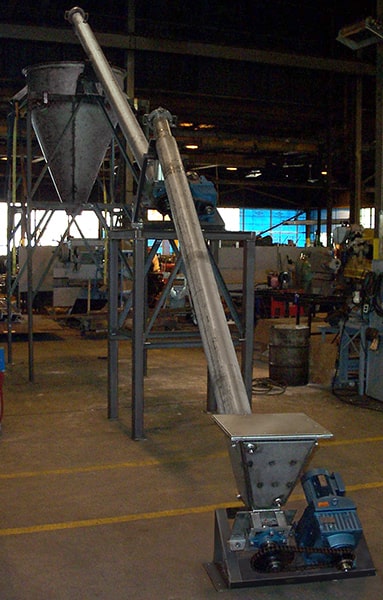
A battery manufacturer needed to replace a flexible screw conveyor system that was not performing well.
Li-ion Battery Minerals Processing & Recycling
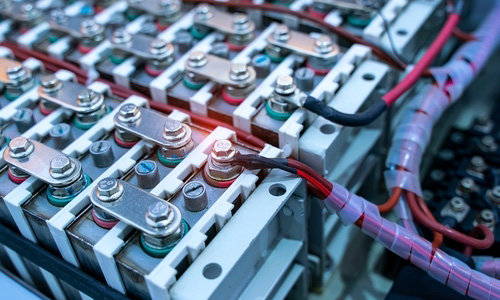
A look at the supply chain of Electric Vehicle Batteries (EVB’s) and the importance of testing EVB minerals.
Conveyor with Sluggish Product
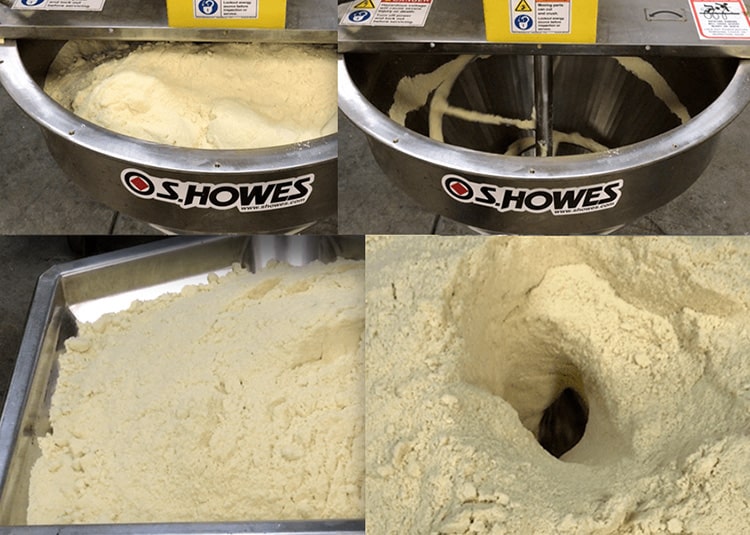
A customer was challenged with conveying sticky, damp food powders that their flexible scew conveyor couldn’t keep up with; causing low feed rates.
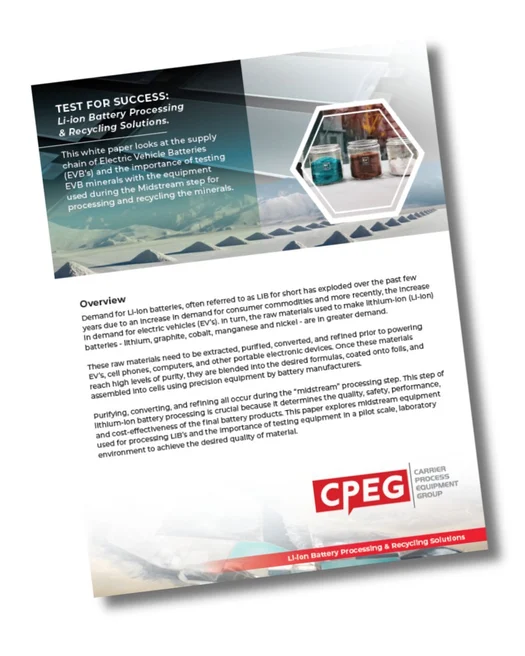
White Paper: Lithium Ion Battery Minerals Processing
This white paper looks at the supply chain of Electric Vehicle Batteries (EVB’s) and the importance of testing EVB minerals with the equipment used during the Midstream step for processing and recycling the minerals.
FAQs for Lithium-Ion Battery Material Processing Equipment
What makes battery material processing different from other powder applications?
Battery materials are often fine, abrasive, reactive, and sensitive to moisture and contamination. Equipment must maintain particle integrity while preventing cross-contamination and dust escape.
Can S. Howes equipment handle black mass safely?
Yes. Systems are designed for enclosed transfer, dust control, and integration with explosion protection and containment strategies.
Do you offer ATEX or explosion-protected configurations?
Yes. We provide dust-tight, inerting-ready, and ATEX-compliant designs where required.
Can systems be customized for evolving chemistries like LFP or silicon anodes?
Absolutely. Our equipment is engineered for flexibility and scalability as battery technologies evolve.
Will S. Howes systems integrate with existing battery production lines?
Yes. We routinely design systems to integrate with upstream reactors, dryers, mills, and downstream packaging or recycling processes.
Not Sure What You Need?
We’re here to help you! Tell us what you need to be done and we’ll contact you to recommend the right equipment.